
Fiberglass Insulation in Jacksonville, FL
Blown-in fiberglass and batts for attics, walls and open framing, installed by our own crew in homes and commercial buildings.
- Family Owned & Operated
- Owner On Every Job
- 5-Star Rated On Google
Fiberglass Insulation That Fits the Job
Spray foam isn’t the right answer for every building. Fiberglass is a proven, budget-friendly insulation that works well in vented attics, interior walls and open framing, and Clark Spray Foam installs it in homes and commercial buildings across Northeast Florida.
We install fiberglass two ways: blown-in loose-fill for attics, and batts for walls, attics and open framing. Whether you’re building new or upgrading an older home, we’ll tell you plainly whether fiberglass or spray foam insulation is the better fit for your space and budget.
The owner, Michael Clark, is on every job, and our own crew does the work. We never subcontract.

Blown-In Fiberglass and Fiberglass Batts
Both are fiberglass. The difference is how the material is installed and where it works best.
Blown-In Fiberglass
Loose-fill fiberglass is blown across the attic floor, filling in around joists, wiring and hard-to-reach corners. It’s a practical way to insulate a vented attic or top up thin insulation. Read more about blown-in fiberglass attic insulation.
Batts for Walls
Fiberglass batts are pre-cut blankets that fit between wall studs. They’re a straightforward choice for exterior walls in new construction and for interior walls during remodels, while the framing is open.
Batts for Attics and Open Framing
Batts also fit between attic joists and in any open framing we can reach, such as additions and unfinished spaces. They’re a good match when the cavities are exposed and evenly spaced.
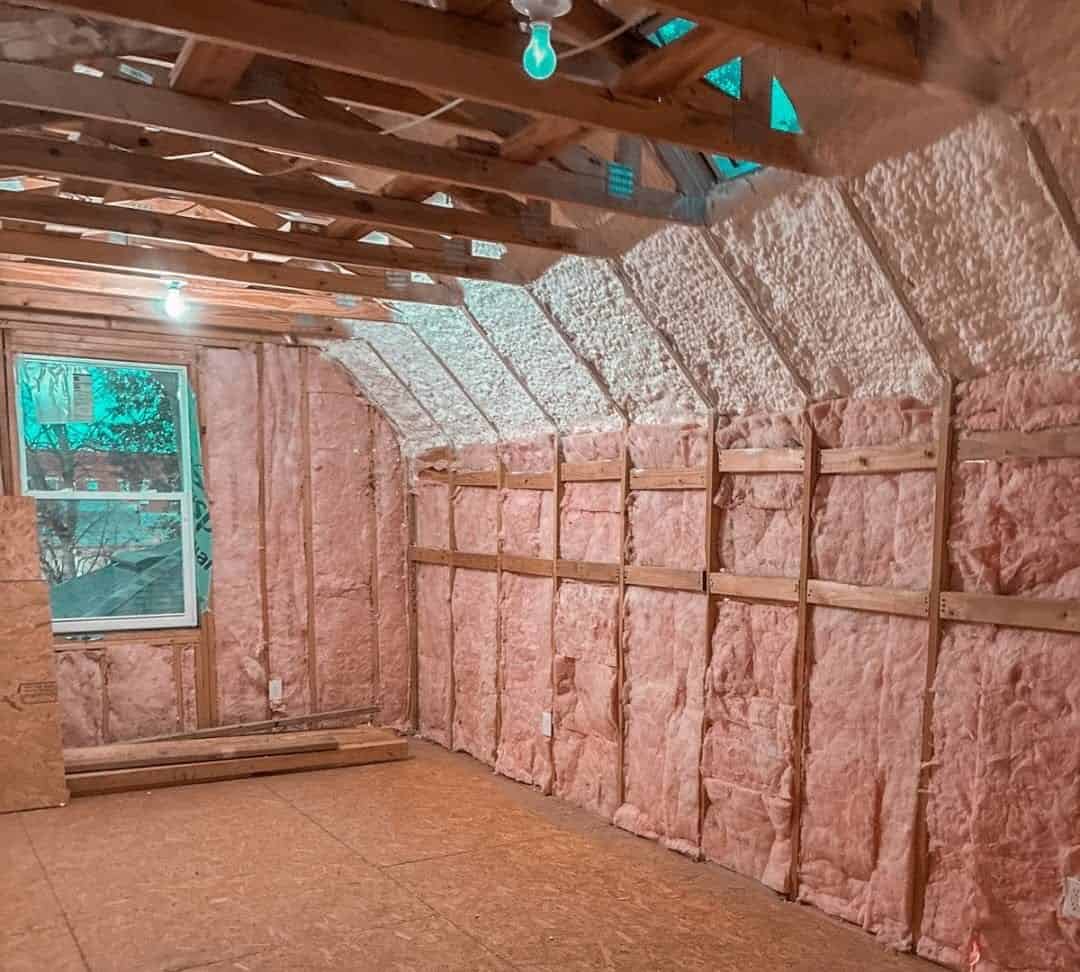
When Fiberglass Is the Right Choice
Fiberglass makes the most sense when the space is meant to stay vented, the budget matters, or you’re adding to insulation that’s already there. These are the situations where we often recommend it:
- Vented attics. Insulation on the attic floor keeps heat from reaching your living space while outside air keeps moving through the attic above it.
- Budget-conscious projects. Fiberglass is a cost-effective way to add insulation when spray foam isn’t in the plan.
- Interior walls. Batts between rooms help dampen noise while the walls are open. See our page on sound wall insulation for more.
- Topping up existing insulation. If your attic insulation is thin or has settled, blown-in fiberglass can bring it back up to a recommended level without starting over.
Fiberglass vs. Spray Foam: An Honest Comparison
Both materials have a place in Jacksonville buildings. The biggest difference is air sealing: fiberglass slows heat but doesn’t stop air movement on its own, while spray foam insulates and air-seals in one step. Air leaks matter as much as R-value, so with fiberglass, sealing gaps and cracks should come first.
| Fiberglass | Spray foam | |
|---|---|---|
| Forms | Blown-in loose-fill and batts | Open-cell and closed-cell |
| Air sealing | Doesn’t stop air movement on its own | Insulates and air-seals in one step |
| In the attic | Goes on the attic floor; the attic stays vented and hot | Applied under the roof deck; the attic becomes part of the conditioned space |
| Attic ductwork and air handler | Stay in the hot, vented attic | Sit inside the conditioned space |
| Over time | Can be topped up if it thins or settles | Won’t shift, settle or deteriorate |
| Best fit | Vented attics, interior walls, open framing, top-ups and tighter budgets | Buildings where air leaks, humidity or a hot attic are the main problem |
Residential and Commercial, New Construction and Upgrades
We install fiberglass in homes and commercial buildings throughout the Jacksonville area. On new construction insulation projects, batts and blown-in fiberglass go in after the framing and rough-in work, before drywall.
In existing buildings, most fiberglass upgrades happen in the attic, where blown-in can be added over what’s already there. If the old insulation has been damaged by moisture or pests, it may need to come out first, and we’ll tell you if that’s the case.
Our Recent Work
A few photos from recent Clark Spray Foam jobs. Our own crew does every one, with the owner on site.


Why Choose Clark Spray Foam
Family Owned & Operated
Owner Michael Clark is on every job, so you’re never handed off after the quote.
We Never Subcontract
Our own crew does every job, start to finish.
Over 15 Years of Experience
Over 15 years in the industry, serving homes and businesses across Northeast Florida.
Free Quotes & Financing
Request a quote online and get 10% off your project. Financing through Acorn Finance.
What Our Customers Say
5-star rated on Google. Customers often mention our punctual, professional crews, clean job sites and clear communication.


 Trustindex verifies that the original source of the review is Google.
 Trustindex verifies that the original source of the review is Google.
 Trustindex verifies that the original source of the review is Google.
 Trustindex verifies that the original source of the review is Google.
 Trustindex verifies that the original source of the review is Google.
 Trustindex verifies that the original source of the review is Google.
 Trustindex verifies that the original source of the review is Google.
 Trustindex verifies that the original source of the review is Google.
 Trustindex verifies that the original source of the review is Google.
 Trustindex verifies that the original source of the review is Google.
 Trustindex verifies that the original source of the review is Google.
 Trustindex verifies that the original source of the review is Google.
 Trustindex verifies that the original source of the review is Google.
 Trustindex verifies that the original source of the review is Google.
 Trustindex verifies that the original source of the review is Google.
 Trustindex verifies that the original source of the review is Google.
 Trustindex verifies that the original source of the review is Google.
 Trustindex verifies that the original source of the review is Google.
 Trustindex verifies that the original source of the review is Google.
 Trustindex verifies that the original source of the review is Google.
 Trustindex verifies that the original source of the review is Google.
 Trustindex verifies that the original source of the review is Google.
 Trustindex verifies that the original source of the review is Google.
 Trustindex verifies that the original source of the review is Google.
 Trustindex verifies that the original source of the review is Google.
 Trustindex verifies that the original source of the review is Google.
 Trustindex verifies that the original source of the review is Google.
 Trustindex verifies that the original source of the review is Google.
 Trustindex verifies that the original source of the review is Google.
 Trustindex verifies that the original source of the review is Google.
 Trustindex verifies that the original source of the review is Google.
 Trustindex verifies that the original source of the review is Google.
 Trustindex verifies that the original source of the review is Google.
 Trustindex verifies that the original source of the review is Google.
 Trustindex verifies that the original source of the review is Google.
Fiberglass Insulation FAQs
Is fiberglass insulation as good as spray foam?
Fiberglass is a good choice for vented attics, interior walls and budget-conscious projects, but it doesn’t air-seal the way spray foam does. Spray foam insulates and air-seals in one step, which matters because air leaks affect comfort as much as R-value. If air leaks, humidity or attic ductwork are your main concerns, spray foam is worth a look. If not, fiberglass can do the job well.
What's the difference between blown-in fiberglass and fiberglass batts?
Blown-in fiberglass is loose-fill that’s blown across the attic floor, while batts are pre-cut blankets that fit between studs, joists and open framing. Blown-in fills in around joists, wiring and tight spots, so it’s the usual choice for attics and top-ups. Batts work well in walls and anywhere the framing is open, such as new construction, additions and remodels.
Can you add fiberglass on top of my existing attic insulation?
Yes, blown-in fiberglass can usually be added right over existing attic insulation. ENERGY STAR recommends reaching R-38 when adding to an attic in our climate zone that already has 3–4 inches of insulation. If the existing material is wet, moldy or damaged by pests, it should be removed first rather than covered up, and we’ll tell you if that’s what we find.
Does fiberglass insulation stop air leaks?
No, fiberglass slows heat flow but doesn’t stop air movement on its own. Air can pass through it at gaps and cracks in walls and ceilings, carrying heat and humidity with it. That’s why air sealing matters as much as R-value, and why those gaps should be sealed before fiberglass goes in. Spray foam is the alternative if you want insulation and air sealing in one step.
If my AC ducts are in the attic, is fiberglass enough?
Fiberglass can insulate your living space well, but it leaves attic ductwork and the air handler in a hot, vented attic. In many Florida homes, that equipment sits in the attic. Spray foam on the underside of the roof deck brings the attic, and that equipment, inside the conditioned space instead. We’ll look at your setup and explain both options honestly so you can decide.
Do you install fiberglass insulation in commercial buildings?
Yes, Clark Spray Foam installs blown-in fiberglass and batts in commercial buildings as well as homes. We handle both new construction and upgrades to existing buildings around Jacksonville. As with our residential work, the owner is on every job and our own crew does the installation, so you always know who is working in your building.
Related Services
Top up thin or settled attic insulation to recommended levels.
How spray foam works, where it goes and why it suits Florida heat and humidity.
Spray foam under the roof deck or blown-in fiberglass on the attic floor.
Spray foam or batts for new construction, additions and remodels while walls are open.
Get Your Free Quote
Request a quote online and get 10% off your project. Prefer to talk it through? Call us Monday through Friday, 8 AM to 5 PM.
- Family owned, owner on every job
- We never subcontract
- Financing available
- Serving Jacksonville, St. Augustine, Fernandina Beach, Ponte Vedra and surrounding Northeast Florida