

How to Handle Insulation Damaged by Pests
Insulation removal for pest damage starts with an inspection of the affected material. A qualified crew can then remove insulation stained with droppings or urine, prepare the space, and install new insulation. Ask a qualified cleanup specialist how suspected contamination should be handled before disturbing the material.
If you notice damaged insulation or suspect pest activity, arrange an inspection to determine which areas need attention. The guide below explains how to assess the damage, what insulation removal involves, and what to ask about pest entry points.

Why Insulation Removal for Pest Damage Is Essential
An inspection can help determine which areas need attention.
An inspection can help identify affected insulation and any related problems:
- Contaminated material: Identify insulation containing droppings or nesting debris rather than covering it with new insulation.
- Extent of damage: Check whether damage is localized or widespread.
- Moisture problems: If insulation is also wet, discuss removing wet and contaminated materials and addressing the moisture source before replacement.

An inspection can determine which affected materials need removal and whether repair or broader replacement is appropriate.
Planning for Suspected Contamination
Tell the contractor where you have noticed droppings, nesting material, or damaged insulation, and ask whether a separate cleanup specialist is needed.
Before work begins, clarify who will assess and handle suspected contamination.
Insulation Gaps, Comfort, and AC Demand
Ask the contractor to check for compressed, displaced, or missing insulation. Fiberglass insulation slows heat transfer partly by trapping pockets of still air between its fibers.
Compressed or displaced insulation can leave thin spots and gaps. Rooms below may feel hotter, and the AC may need to run longer.
Addressing gaps and restoring attic insulation can help improve comfort and lower AC demand during Jacksonville’s hot summers.
The Professional Insulation Removal and Replacement Process
Professional insulation removal starts with assessing the damaged material. The process involves inspection, removal, preparation of the space, and replacement insulation suited to the attic and AC setup.

When partnering with a reputable team for professional attic insulation removal, the cleanup follows a clear workflow:
- Inspect: Assess insulation and signs of rodents, leaks, or other damage.
- Remove: Take out affected insulation, nesting material, and debris.
- Prepare: Identify issues such as leaks or pest entry points that need attention before replacement.
- Reinsulate: Install spray foam or fiberglass based on the attic, AC setup, and homeowner’s goals.

Specialized Equipment for Insulation Removal for Pest Damage
Ask the removal contractor what equipment the job requires and how the work area and debris will be managed.
Useful equipment questions include:
- What equipment will be used to remove the existing insulation?
- How will debris be collected and removed?
- What preparation is needed around attic access?
- How will the selected replacement insulation be installed?
Ask which tasks the insulation contractor handles and whether separate cleanup services are needed.
Preparing for Replacement Insulation
Once contaminated insulation is removed, the contractor can assess the cleared space and discuss preparation and replacement options.
Discuss air sealing as part of the replacement plan. Ask the contractor which gaps need attention and which materials are appropriate for each location.
After sealing, homeowners can opt for a targeted insulation repair or a complete insulation upgrade. Spray foam can provide air sealing, support moisture control, and suit hard-to-reach spaces. Fiberglass is a lower-cost option for adding or topping up insulation after damaged material is removed. The best choice depends on the building and AC setup; an inspection can help determine the appropriate approach.
Planning Removal, Cleanup, and Project Costs
Before attempting removal, have the damaged insulation assessed and ask what preparation or specialist cleanup the attic needs.
| Risk / Cost Factor | DIY Attic Cleanup | Professional Remediation |
|---|---|---|
| Assessment | What needs assessment before attempting removal? | Who will assess the affected insulation and suspected contamination? |
| Removal Equipment | What equipment would the job require? | What removal equipment will the contractor use? |
| Debris Disposal | What disposal arrangements would be needed? | How will debris be collected and disposed of? |
| Cleanup Scope | Is specialist cleanup needed before removal? | Is separate cleanup needed, and who will arrange it? |
| Air Sealing | Which gaps need assessment? | What air sealing is included in the replacement plan? |
| Attic Access | What access concerns need assessment? | How will attic access and the work route be managed? |
Ask a qualified cleanup specialist how suspected contamination should be handled before insulation removal.

Factors That Affect Project Cost
Removal and replacement costs depend on the attic and the work required. Request a free quote for a project-specific assessment.
Several variables influence the total project cost:
- Attic Square Footage & Pitch: Ask how attic size and roof pitch affect access, labor, and the quote.
- Level of Contamination: Ask how the extent of affected material and any specialist cleanup needs affect the quote.
- Insulation Type: Ask whether the existing insulation type affects removal equipment or labor.
- Replacement Material Choice: Fiberglass is a lower-cost option, while spray foam may suit air-sealing and moisture-control goals. The appropriate choice depends on the building and an inspection.
- Removal and Cleanup Scope: Ask which removal, cleanup, and disposal tasks are included in the quote.
Restoring insulation coverage can help improve comfort and reduce AC demand.
Safe Execution of Insulation Removal for Pest Damage
Safety is paramount during contaminated attic work. Before work begins, ask the contractor about the following planning issues:
- How will the work area and access route be managed?
- Who will assess any suspected wiring damage before work?
- How will removed insulation and debris leave the building?
- What attic-access preparation is needed?
If your attic has suffered animal contamination, investing in comprehensive insulation removal by a qualified team can help you plan removal and replacement.
Addressing Pest Entry Points and Selecting a Contractor
Before replacement insulation goes in, discuss identified pest entry points with a qualified pest specialist and clarify any exclusion work the attic needs.
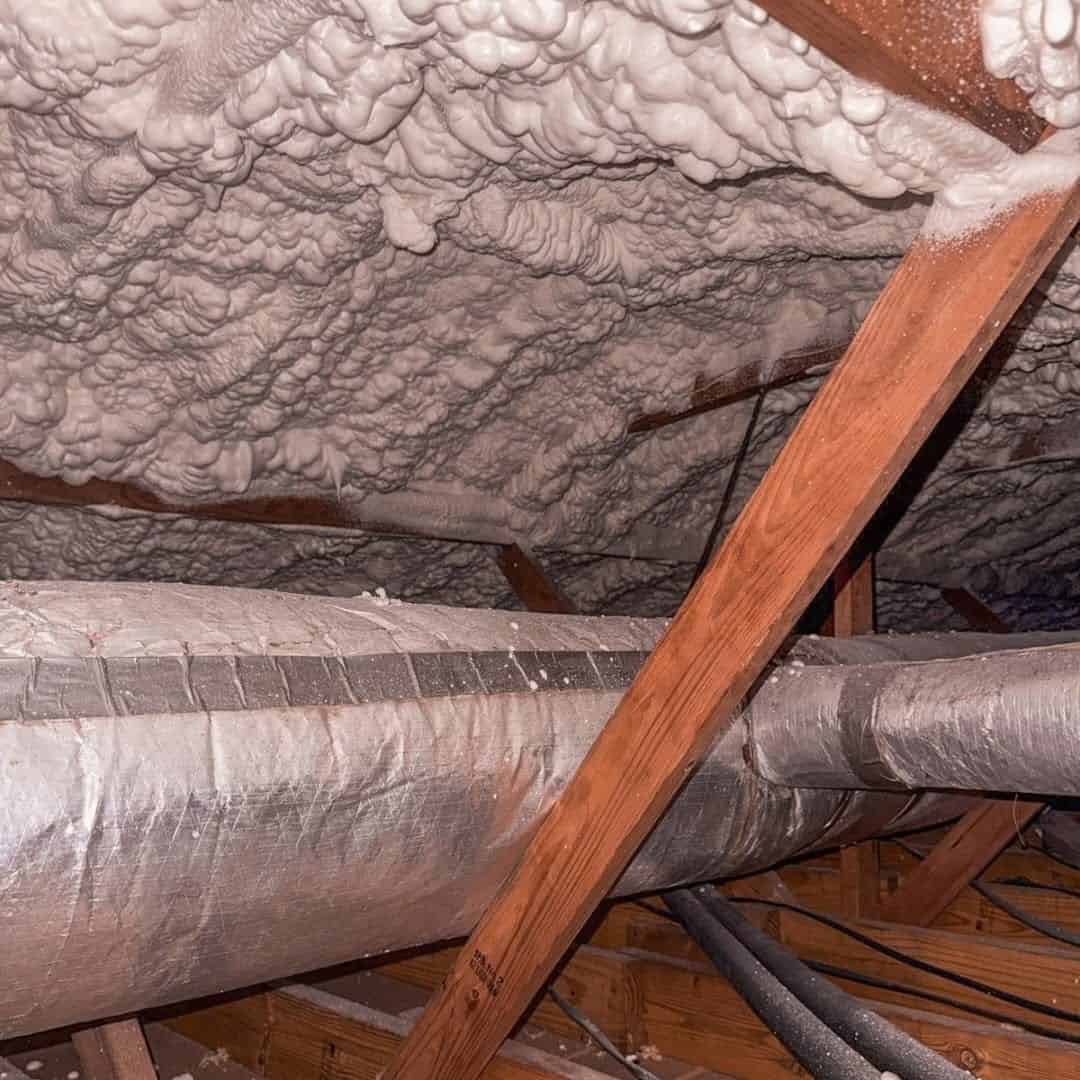
Ask a qualified pest specialist to assess potential entry points and recommend exclusion measures appropriate for the home.
Selecting a Qualified Contractor for Insulation Removal for Pest Damage
Ask potential contractors how they assess damaged insulation and plan removal and replacement. Look for the following qualifications when evaluating service providers:
- Insurance: Ask about general liability coverage and workers’ compensation policies.
- Owner-Operated Oversight: Work with companies that utilize dedicated, in-house crews and provide on-site supervision.
- Cleanup Scope: Clarify whether separate specialist cleanup is needed and who will arrange it.
- Comprehensive Services: Choose a contractor that handles the entire restoration cycle—from extraction and air sealing to re-insulation—saving you the hassle of coordinating multiple vendors.
- Transparent Pricing: Demand clear, written quotes detailing labor, disposal fees, square footage, and exact insulation specifications.
When you’re ready to restore your home, choose a team that takes pride in its craftsmanship and values lasting client relationships.
Frequently Asked Questions About Pest-Damaged Insulation
Can contaminated attic insulation be spot-cleaned instead of fully replaced?
An inspection can determine whether damage is limited to a few sections or widespread. Targeted insulation repair may be appropriate when the remaining material is clean, dry, and in good condition.
Localized damage may be suitable for insulation repair. If droppings, nesting debris, or damaged material are widespread, broader removal and replacement may be appropriate.
How much does professional attic rodent cleanup and re-insulation typically cost?
Request a free quote based on an inspection of your attic. Total costs depend on the square footage of the space, the severity of biological waste, accessibility, air-sealing requirements, and the type of replacement insulation selected (such as blown-in fiberglass or spray foam).
How can pest activity affect insulation performance?
Ask the inspector to check for compressed, displaced, or missing insulation and explain whether repair or replacement is appropriate.
Displaced or compressed insulation can leave thin spots and gaps. An inspection can identify where coverage needs to be restored.
Conclusion
In Jacksonville’s hot, humid climate, restoring insulation coverage can help reduce AC demand and improve comfort.
Clark Spray Foam is a family-owned insulation contractor in Jacksonville, FL, offering insulation removal, repair, spray foam, and fiberglass insulation. Owner Michael Clark is on every job, and we never subcontract. We have over 15 years of experience and a 5-star Google rating. We serve Jacksonville, Jacksonville Beach, Neptune Beach, Atlantic Beach, Ponte Vedra, Ponte Vedra Beach, Fernandina Beach, St. Augustine, St. Augustine Beach, and the rest of Northeast Florida.
If you’d like help assessing damaged insulation, call (904) 885-9983 or request a free quote.


